

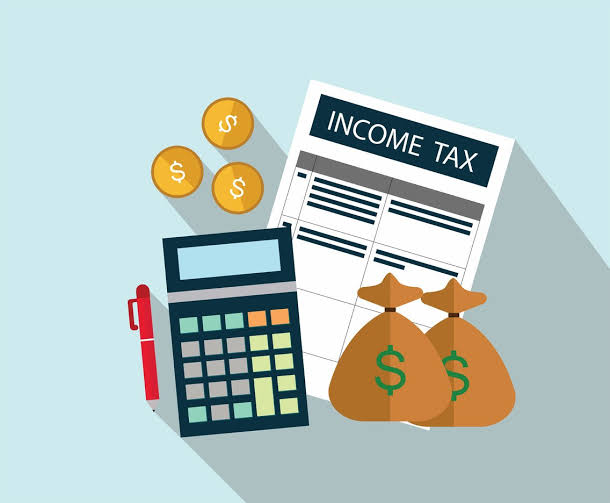
South Africa uses a progressive income tax system: the more you earn, the higher the rate on each additional rand. Importantly, a higher bracket only applies to the income inside that bracket, not your whole salary. Here is how it works.
How progressive tax works
Your income is taxed in slices. The first slice is taxed at the lowest rate, the next slice at the next rate, and so on. So moving into a higher bracket never reduces your take-home pay; only the portion above each threshold is taxed at the higher rate.
The 2026/27 tax brackets
For the 2026/27 tax year (1 March 2026 to 28 February 2027):
| Taxable income | Rate |
|---|---|
| R0 – R245,100 | 18% |
| R245,101 – R383,100 | 26% on the amount above R245,100 |
| R383,101 – R530,200 | 31% on the amount above R383,100 |
| R530,201 – R695,800 | 36% on the amount above R530,200 |
| R695,801 – R887,000 | 39% on the amount above R695,800 |
| R887,001 – R1,878,600 | 41% on the amount above R887,000 |
| R1,878,601 and above | 45% on the amount above R1,878,600 |
Tax figures change each year in the Budget, so always confirm the current numbers, or just use our calculator, which is kept up to date.
Rebates and the tax threshold
Everyone gets a primary rebate that is subtracted from your tax. Because of it, you pay no income tax until your earnings pass the tax threshold. For 2026/27 the primary rebate is R17,820, which means the threshold is about R99,000 a year for people under 65. Those aged 65+ and 75+ get extra rebates and higher thresholds.
A simple example
Say you earn R300,000 a year. The first R245,100 is taxed at 18%, and only the R54,900 above that is taxed at 26%. Then your primary rebate is subtracted from the total. The result is your annual tax, divided by 12 for your monthly PAYE. Our calculator does all of this for you.
Frequently asked questions
At what salary do you start paying tax in South Africa?
For 2026/27, people under 65 start paying income tax once their taxable income passes roughly R99,000 a year, thanks to the primary rebate.Does moving into a higher bracket reduce my take-home pay?
No. Only the income inside the higher bracket is taxed at the higher rate. A raise always leaves you with more money after tax.What is the difference between a rebate and the threshold?
The rebate is an amount subtracted from your calculated tax. The threshold is the income level below which the rebate wipes out your tax entirely.The verdict
You are taxed in slices, not all at once, and rebates mean the first chunk of income is tax-free. To see exactly what you will pay on your salary, use our salary calculator, which applies the latest brackets, rebates, UIF and medical credits automatically. New to filing? Read how to register for SARS eFiling.