

Your credit score is basically your financial reputation as a number. Every time you apply for a loan, credit card, home loan, or even a rental agreement in South Africa, they check this number.
A good credit score in South Africa is 681 or above (out of 999 on the TransUnion scale). If your score is below that, you’ll get rejected or pay higher interest rates. Here’s exactly how to improve your credit score quickly and what’s dragging it down.
What Is A Credit Score?
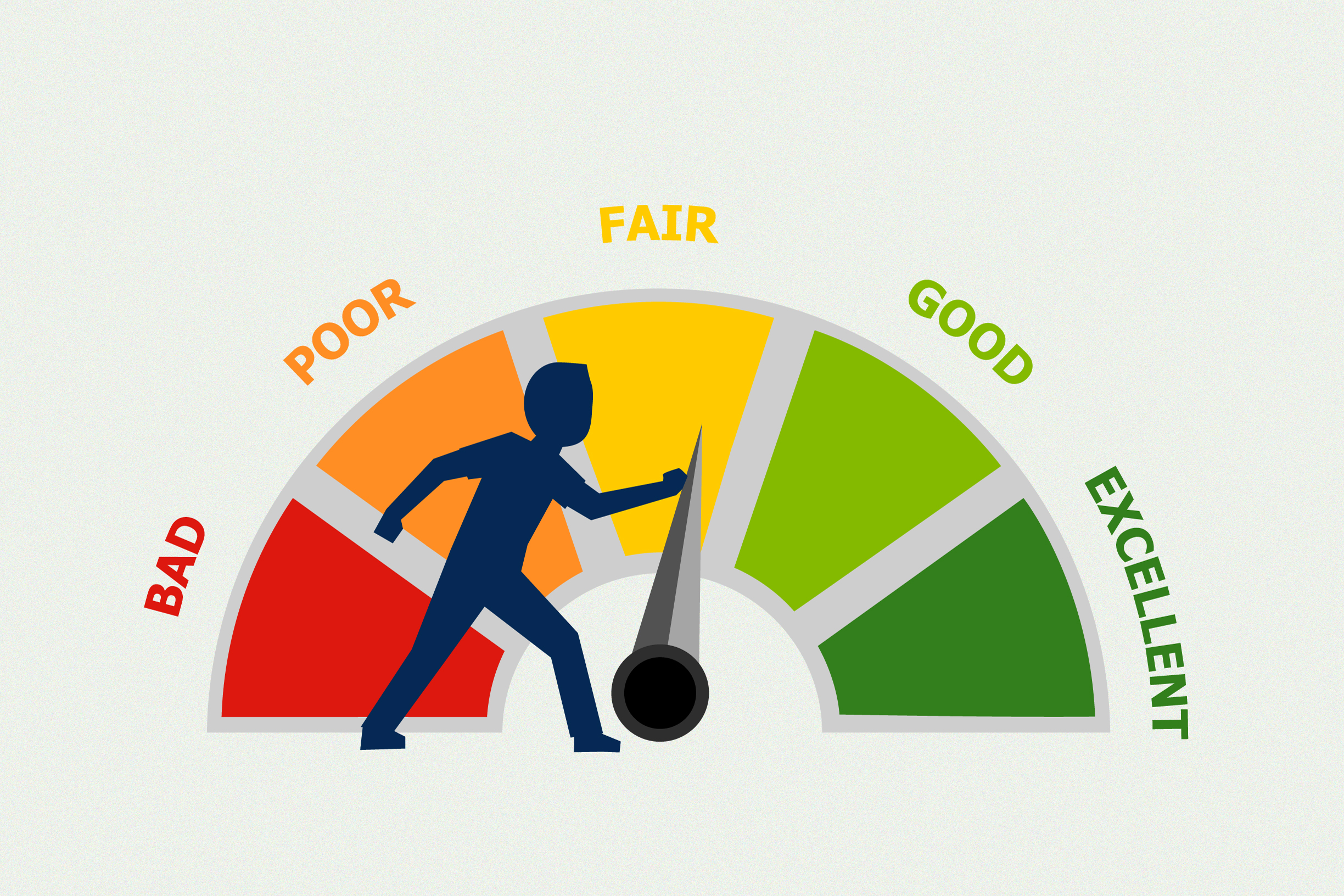
A credit score is a number between 0 and 999 that tells lenders how risky you are. The higher the number, the better.
| Score Range | Rating | What It Means |
|---|---|---|
| 767-999 | Excellent | You’ll get approved easily with the best rates |
| 681-766 | Good | Most applications will be approved |
| 614-680 | Average | Some lenders might hesitate |
| 583-613 | Below Average | Expect rejections or high interest rates |
| 0-582 | Poor | Very difficult to get approved anywhere |
Your score is calculated by credit bureaus like TransUnion, Experian, and Compuscan based on your financial history.
How To Check Your Credit Score For Free
You don’t need to pay to see your credit score. In South Africa, you can check it for free using:
- ClearScore - Free, shows TransUnion score, updates weekly
- MyCredit Check - Free, powered by Compuscan
- Nedbank app - Shows your score if you bank with Nedbank
- FNB app - Shows your credit score in the nav money section
Check it at least once a month to track your progress.
Table of Content
- What Is A Credit Score?
- How To Check Your Credit Score For Free
- What Affects Your Credit Score
- How To Improve Your Credit Score Fast
- Common Mistakes That Destroy Your Score
- How Long Does It Take To Fix A Bad Credit Score?
What Affects Your Credit Score
Here are the main factors that make your score go up or down:
- Payment history (35%) - Do you pay on time? Late or missed payments crush your score.
- Credit utilisation (30%) - How much of your available credit are you using? Below 30% is ideal.
- Length of credit history (15%) - Older accounts show stability.
- Credit mix (10%) - Having different types (credit card, loan, store account) helps.
- New credit enquiries (10%) - Too many applications in a short time looks desperate.
How To Improve Your Credit Score Fast
Here are the 8 most effective things you can do right now:
1. Pay Everything On Time
This is the single biggest factor. Set up debit orders for at least the minimum payment on all accounts. One missed payment can drop your score by 50-100 points.
2. Lower Your Credit Utilisation
If your credit card limit is R10,000, try to never owe more than R3,000 at any time. Banks see high utilisation as a sign you’re over-reliant on credit.
Quick fix: Pay your credit card balance before the statement date so it reports a lower balance to the bureau.
3. Don’t Close Old Accounts
That old store card you never use? Keep it open. Closing it reduces your available credit and shortens your credit history. Both hurt your score.
4. Stop Applying For Everything
Every time you apply for credit, the lender does a “hard enquiry” on your record. Too many enquiries in a short period signals desperation to credit bureaus.
Rule: No more than 2-3 credit applications in a 6-month period.
5. Fix Errors On Your Credit Report
Check your report for mistakes. Wrong addresses, accounts that aren’t yours, or paid debts still showing as outstanding. You can dispute errors for free through the credit bureau.
6. Get A Small Credit Card And Use It Wisely
If you have no credit history, get a low-fee credit card (like Capitec or TymeBank), spend a small amount each month, and pay it off in full. This builds positive payment history.
7. Pay Off Small Debts First
Having many accounts with outstanding balances looks bad. Pay off the smallest ones first to reduce the number of open debts on your record.
8. Talk To Your Creditors
If you’re struggling to pay, contact your creditors before you miss a payment. Many will offer payment plans that won’t be reported as defaults.
Common Mistakes That Destroy Your Score
- Ignoring store accounts - That Edgars or Mr Price account you forgot about? If it’s unpaid, it’s hurting you.
- Being a guarantor - If the person you guaranteed for defaults, it hits YOUR score too.
- Paying only the minimum - While it won’t hurt your payment history, it keeps your utilisation high.
- Cellphone contracts - A cancelled contract with outstanding payments counts as a default.
- Not checking your report - Identity theft and bureau errors happen more than you think.
How Long Does It Take To Fix A Bad Credit Score?
It depends on how bad the damage is:
| Situation | Time to recover |
|---|---|
| Missed payment | 1-2 months after catching up |
| High utilisation | 1-2 months after paying down |
| Multiple defaults | 6-12 months of good behaviour |
| Judgment or blacklisting | 2-5 years (but improves steadily) |
| Debt review removal | 1-3 months after clearance certificate |
The important thing is to start now. Every month of on-time payments adds positive data to your record.
FAQs
What is a good credit score in South Africa?
A score above 681 is considered “good” by most lenders. Above 767 is “excellent” and will get you the best rates and highest limits.
Does checking my own credit score lower it?
No. Checking your own score is a “soft enquiry” and does not affect it. Only applications by lenders count as “hard enquiries.”
How do I remove myself from blacklisting?
Pay off the debt in full, then request a clearance letter from the creditor. Submit this to the credit bureau to update your record. After the debt is paid, negative listings are removed after the prescribed period (usually 1-2 years for paid defaults).
Can I improve my credit score in 30 days?
You can see small improvements in 30 days by paying down credit card balances and ensuring all debit orders go through. Major improvements take 3-6 months of consistent good behaviour.